Imagine a World With No Struggle -start Again Song Mouri
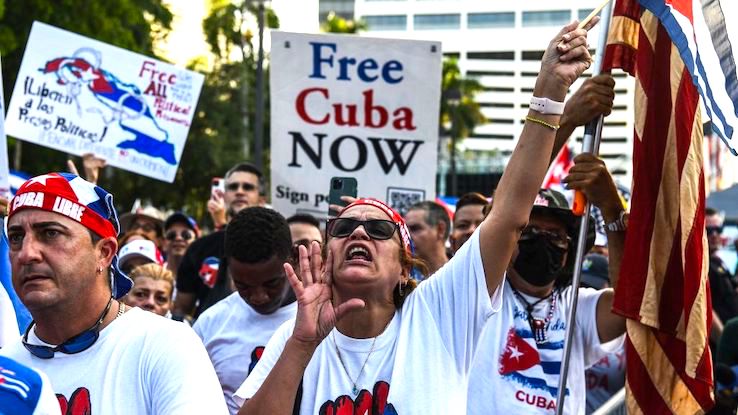
Music is a universal language that defies international borders and celebrates diverse cultures. It conjures feelings no other medium can, stirring up physical and emotional reactions that can alter our thoughts, behavior and actions. It helps us express ourselves on deeper levels and taps into a part of the human being condition that motivates us to make a deviation. Music isn't merely enjoyable — it'southward immensely powerful, and that'due south a key reason why we use it to transport messages and inspire activity.
Because of this power, protests and music are often interlinked. In improver to "amplifying the words" in songs that can represent demands for alter, Columbia University music professor Mariusz Kozak told The Washington Mail, "music is important for expressing political messages because it creates a sense of emotional connection and social coherence, fifty-fifty among strangers." It's that social coherence — the working together — that can really change the globe. And these powerful protest songs demonstrate exactly how.
"Strange Fruit" by Billie Holiday (1939)
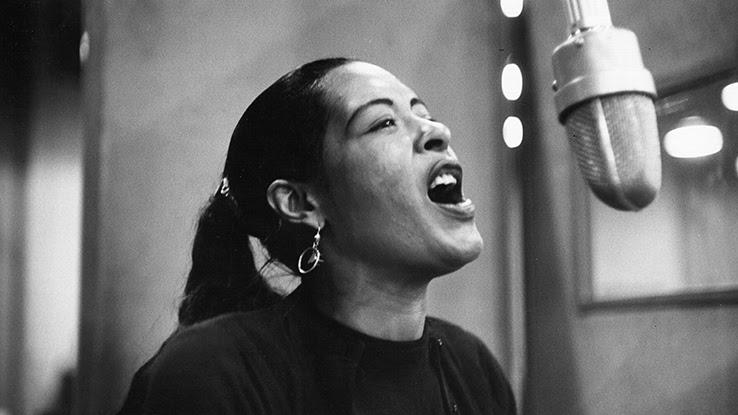
Written and equanimous past Jewish school teacher Abel Meeropol and recorded by famed jazz singer Billie Holiday, "Strange Fruit" protested the horrific lynchings of Black Americans, peculiarly during the late 19th and early 20th centuries. Released the same year as Gone With the Wind, "no vocal in American history has ever been and so guaranteed to silence an audience or generate such discomfort."
Of the vocal, Holiday said, "The showtime fourth dimension I sang information technology, I thought information technology was a mistake… there wasn't even a patter of applause when I finished. Then a lonely person began to clap nervously. Then suddenly, everyone was clapping." The haunting ballad soon became an anthem for the ongoing anti-lynching movement in the U.S., and, later, the emerging civil rights movement of the 1950s and 1960s.
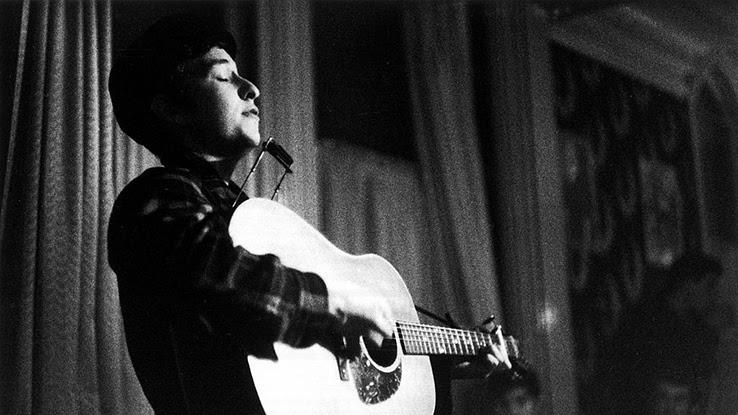
Bob Dylan has crafted a career out of penning poetic and poignant protest ballads. He wrote "A Hard Rain'due south A-Gonna Fall" in response to the suffering going on in the world and what he saw as an inescapable evil taking over order following the Cuban Missile Crisis.
Originally written every bit a poem and based on an sometime English language folk carol, the song's lyrics tell of a mother questioning her wayward son about where he's been, and his answers reveal that he was traveling the earth, merely finding heartbreak, ache, and cruel disregard for people and the environment. "A Hard Rain'due south A-Gonna Fall" was released at the height of the Cold State of war, and members of the U.South.'s anti-nuclear state of war move used the song to convey their opposition to the dangers of nuclear technologies.
"Mississippi Goddam" by Nina Simone (1964)
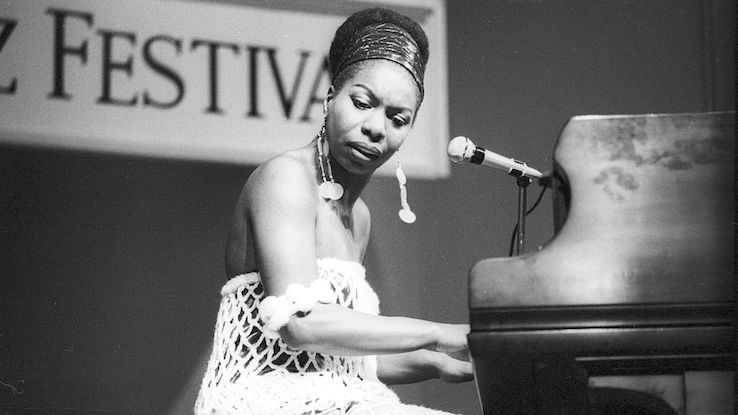
Singer and pianist Nina Simone'south "Mississippi Goddam" took only one hr to compose. Information technology was written in response to the murders of Emmett Till and Medgar Evers in Mississippi and the 16th Street Baptist Church building bombing that took identify in Birmingham, Alabama, ultimately protesting the "agonizingly irksome" pace of justice and social change for Black Americans. "It was my starting time civil rights vocal," Simone later recalled, "and information technology erupted out of me quicker than I could write it downwards."
Initially performed in front of a predominantly white audience at Carnegie Hall, the song was quickly banned in some Southern states — and but as rapidly became an canticle for the ceremonious rights movement. In 2019, the Library of Congress preserved the protest track in the National Recording Registry for its cultural, historical and aesthetic significance.
"What's Going On" by Marvin Gaye (1971)
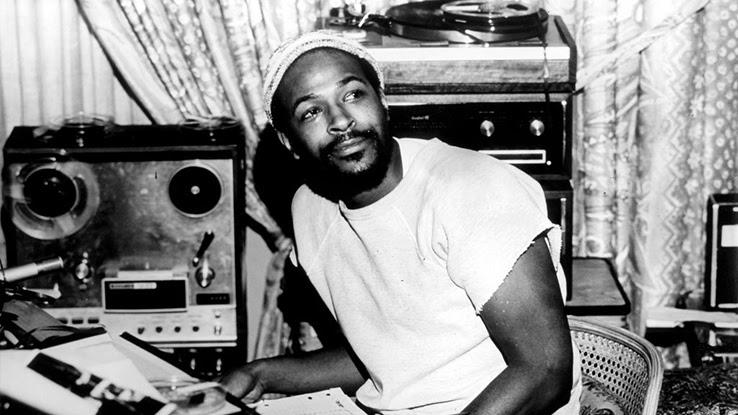
In the early on 1970s, protests confronting the Vietnam War peaked, unemployment rates soared, mass incarceration of people of color proliferated and police brutality ran unchecked across the country. After witnessing a clash between police and protestors, Renaldo "Obie" Benson of The Four Tops was inspired to write "What's Going On," a song that spoke not only of the stifling effects of violence on society but that also called for unification and togetherness to combat these problems.
Marvin Gaye recorded the song subsequently deciding to change the themes in his music in response to the unrest he saw around the country, request himself, "With the world exploding around me, how am I supposed to keep singing dearest songs?" The juxtaposition of its jazzy melody and pained lyrics captured attending in Detroit, where Gaye had lived for years, and protestors there used the empowering vocal to spark change. Within a few years following the release of "What'south Going On," Detroit elected its first Blackness mayor and formed a civilian-led constabulary commission. The song was "revolutionary," explains Detroit historian Ken Coleman. "'What'southward Going On' helped people realize these changes could happen."
"Sunday Bloody Sunday" by U2 (1983)
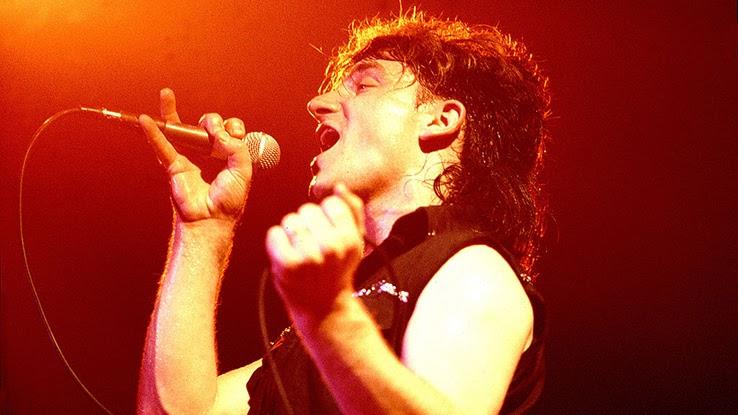
In 1972, unarmed people marched in Londonderry, a large city in Northern Ireland, to protest the British internment of suspected Irish nationalists without a fair trial. British soldiers shot 26 of the protestors, killing 14 and wounding others who attempted to assist victims of the massacre.
In recognition and protestation of the event, Irish rock band U2 penned "Sunday Bloody Sunday." The song quickly came to symbolize a decades-long period called the Troubles, during which Northern Ireland experienced intense, violent conflict over political and religious tensions. "Sunday Bloody Sunday" about immediately brought worldwide attending to Northern Ireland's dangerous social climate. It remains ane of the band's near popular songs to this day — and one of the virtually powerful protestation songs e'er penned.
"Fight the Ability" by Public Enemy (1989)
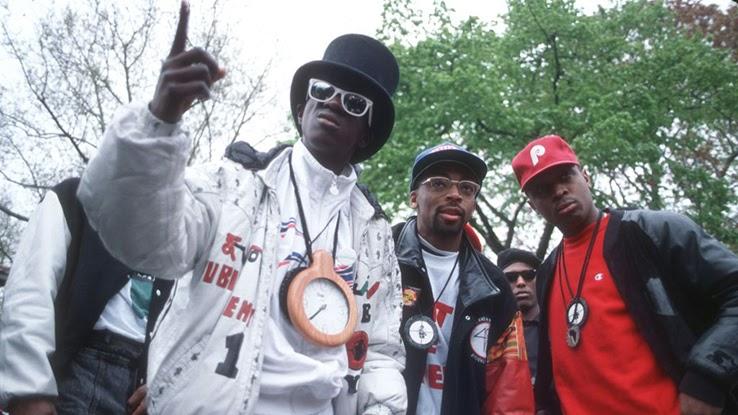
At the end of the 1980s, the Us saw meaning increases in scissure-cocaine habit throughout major cities, a authorities that intentionally neglected the populations most impacted past the AIDS crunch, and continued social unrest as groups around the country protested social and racial inequalities. These events and atmospheric condition inspired Public Enemy to lay downwards the lyrics for "Fight the Power" at the request of director Spike Lee for his 1989 film Practise the Right Thing.
Using multiple loops and samples of speeches from civil rights leaders, the song became an canticle expressing "revolutionary anger" over "a crucial menstruum in America's struggle with race." Its lyrics demand that listeners "fight the powers that exist" — a line that today's social activists nonetheless use as a rallying cry to mobilize and fight back.
"This Is America" by Childish Gambino (2018)
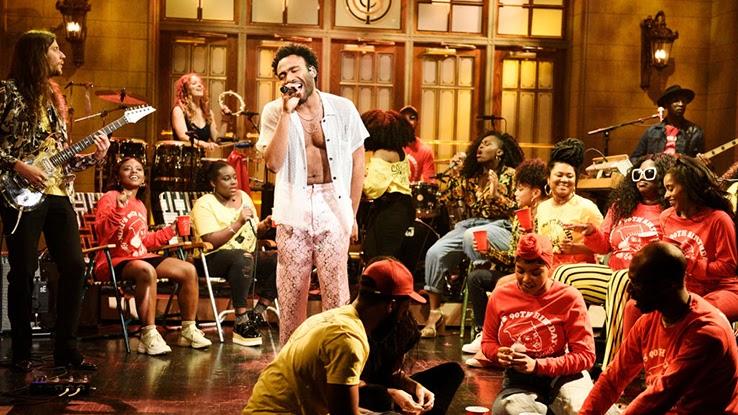
Actor Donald Glover, who as a musician goes by the pseudonym Kittenish Gambino, wrote and produced this gimmicky protestation track to accost the ongoing horror of mass shootings and the epidemic of gun violence in the U.S. The chilling vocal as well highlights other critical social issues affecting American lodge, in item by focusing on the grotesque furnishings of systemic racism.
"This Is America" addresses the pain that arises from living under a arrangement that perpetuates harmful treatment of marginalized groups, explaining how people try to work on that pain by accepting information technology and getting past it — but they're never fully able to do and so. The song became a phone call to action during the widespread 2022 protests against police brutality that adult across the country following George Floyd's murder, and it remains a "surreal, visceral statement" that implores American guild to pursue justice.
"Pareh Sang" by Mehdi Yarrahi (2018)
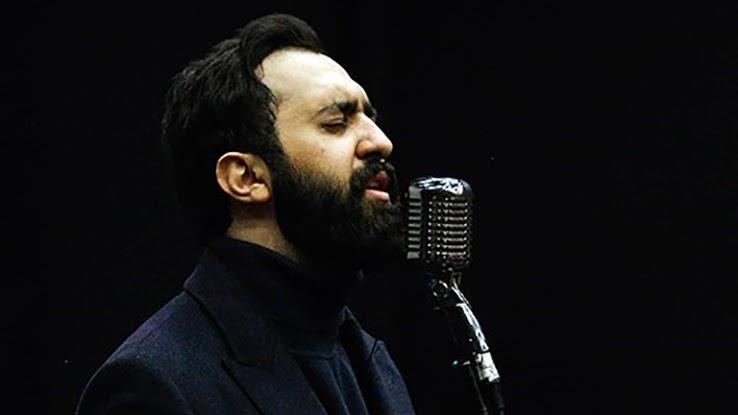
Translating to "Broken Rock," "Pareh Sang" decries the destruction artist Mehdi Yarrahi saw taking place around his domicile province in Iran as a result of the Iran-Iraq War that spanned most of the 1980s. After the song'due south release, Iranian officials asked Yarrahi to change the vocal's controversial lyrics, which tell of the lasting trauma of war and the suffering the Islamic republic of iran-Iraq War perpetuated for decades in Yarrahi's hometown.
Yarrahi was censured later refusing to change those lyrics, and regime clamped down on the singer, pushing him to remove the song from his catalog entirely. But Yarrahi continued refusing to change the lyrics, performing them at a live concert before being barred from playing birthday. Withal, the vocal continues to raise awareness and inspire activism amidst newer generations of Iranians.
"Patria y Vida" past Gente de Zona, Yotuel and Descemer Bueno (2020)
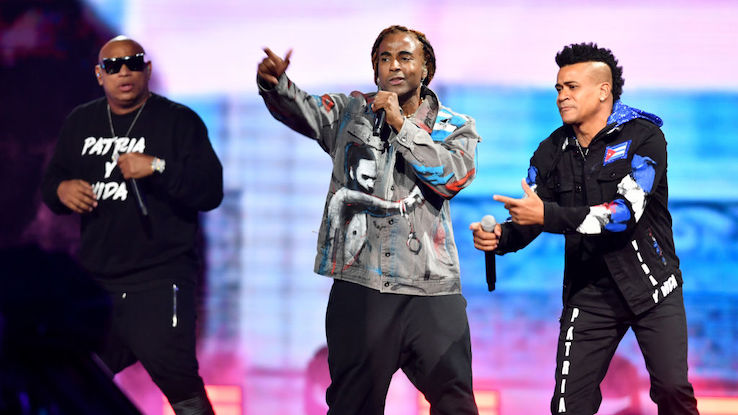
What translates to "Homeland and Life" became a rebuke of Cuba's official slogan, "Homeland or Death," in the wake of 2022 protests against Cuba'southward communist authorities, its response to the COVID-nineteen pandemic and an economical crisis impacting the land's food and medicine supplies. Vocalizer Yotuel Romero and fellow Cuban musicians Gente de Zona, Descemer Bueno, Maykel Osorbo and el Funky composed the song in an effort to reclaim and revise Cuba's motto and protest the Cuban government's continued failure to invest in bettering the lives of its citizens.
The artists received intense backlash from Cuba's Communist Party post-obit the music video'southward release in Feb of 2021. However, the song went viral, its lyrics resonating with demonstrators protesting the country's "deteriorating living conditions, electricity outages and shortages of food and medicine" earlier and during the pandemic. "Patria y Vida" is frequently heard beingness chanted at protests and marches as a call for freedom and "a new dawn."
hemminglikeemence.blogspot.com
Source: https://www.ask.com/entertainment/protest-songs-that-changed-the-world?utm_content=params%3Ao%3D740004%26ad%3DdirN%26qo%3DserpIndex

Post a Comment for "Imagine a World With No Struggle -start Again Song Mouri"